Published January 1, 2025 | Written by: Helen Bay | Edited by: Mark Smith
New Linux Update?
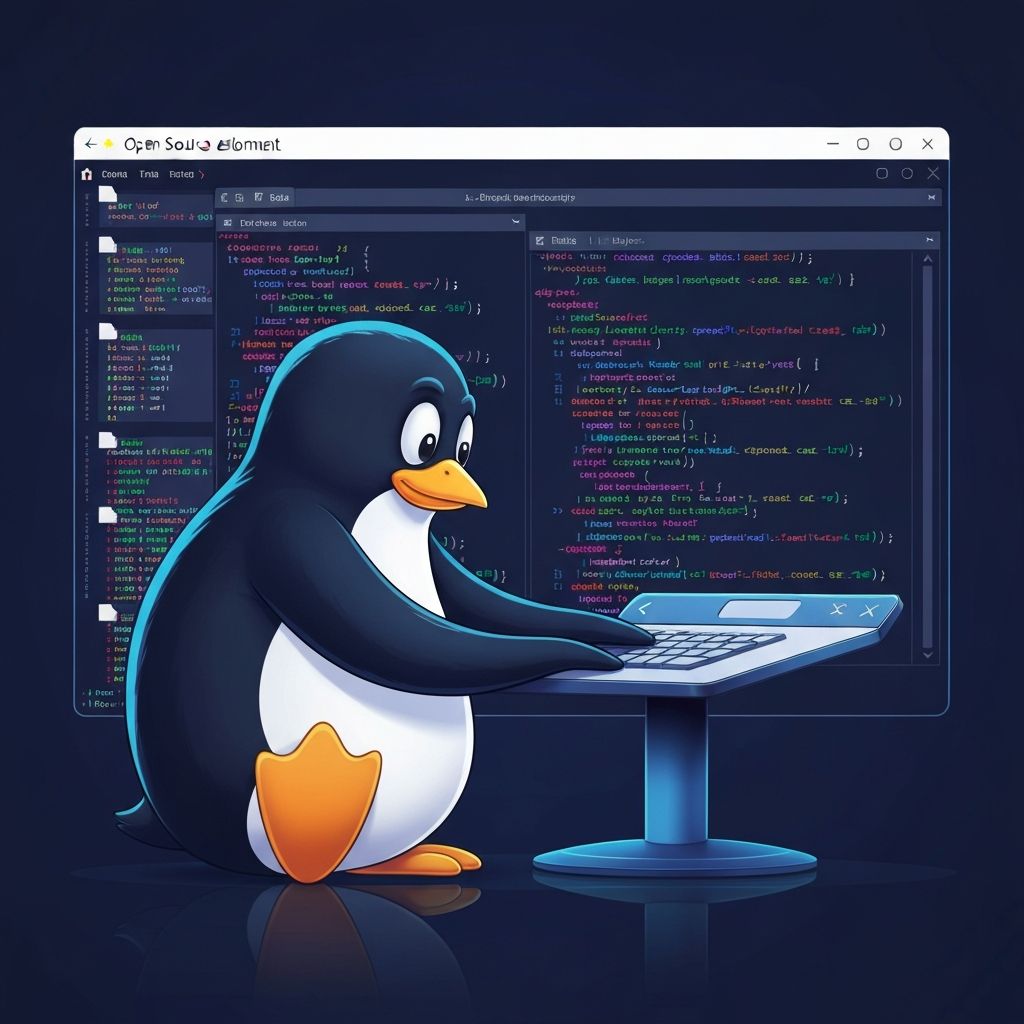
Linux enthusiasts and developers have reason to celebrate: the latest Linux kernel update introduces a wave of performance improvements, expanded hardware support, and enhanced security. This release reinforces Linux’s position as the backbone of servers, embedded systems, and personal computing environments worldwide.
A Focus on Performance and Efficiency
The new Linux kernel version brings significant improvements in scheduler performance and power management. Systems running on ARM and RISC-V architectures benefit from optimized thread handling, reducing energy consumption while boosting multitasking responsiveness.
Improved Hardware Compatibility
The update introduces expanded support for GPUs, NVMe devices, and emerging chipsets. AMD and Intel users will notice smoother graphics performance and better integration with open-source drivers. The kernel also improves compatibility with new USB4 and Thunderbolt interfaces, ensuring high-speed data transfers without instability.
Security Enhancements Across the Board
Linux has always been synonymous with security, and this update continues that legacy. Kernel hardening measures have been expanded with additional memory safety checks and improved protection against privilege escalation vulnerabilities. SELinux and AppArmor profiles have also been refined for stricter access control.
File System Improvements
Both EXT4 and Btrfs file systems have received key updates. EXT4 now offers improved writeback performance, while Btrfs introduces faster snapshot operations and better data recovery tools, making it a solid choice for power users and sysadmins.
Enhanced Desktop Experience
For desktop users, the new kernel improves latency and input responsiveness—especially noticeable on GNOME and KDE Plasma environments. Wayland support has been polished further, paving the way for smoother graphical performance and fewer display-related bugs.
Why This Update Matters
Each Linux update represents more than just new code—it reflects collaboration between thousands of developers worldwide. These changes not only improve system performance but also ensure that Linux remains secure, modern, and adaptable to the ever-changing technology landscape.
Final Thoughts
Whether you're managing a data center, running a Raspberry Pi project, or simply using Linux as your daily driver, this update is worth the installation. Its balance of stability, speed, and security keeps Linux at the forefront of open-source innovation.